Kanban Guide: A simple guide to kickstart your understanding of Kanban
What does Kanban Mean?
kan-ban is a Japanese word that means signboard in English. Developed by Toyota to compete in the automotive industry in the 1950s, the Toyota Production System created by Taiichi Ohno uses “just in time” manufacturing, a pull system that operates based on customer or user demand versus pushing as many goods to the market as possible and automation with a human touch (autonomation).
Underpinning the kanban process is kaizen. Japanese for improvement, Kaizen is about bringing cultural change to focus on continuous improvement of quality, productivity, and customer satisfaction. This is created by building a Kaisen culture.
What is a Kanban system?
A Kanban system is visual management for planning workflow to reduce the time it takes to respond to customer demands. By visualising one work item or task onto one card, an understanding of capacity is created. Each card will flow through the system and once the work is completed, that card can be reused for the next piece of work. If there are no cards available to assign work to, no new work can be started. This was the original method of visualising work in the manufacturing process.
The current and most popular method is the visualisation of Work in Progress limits (WIP). This is setting capacity limits per workflow stage. Kanban’s most basic example is a column arrangement that has three columns. The columns symbolize states and are designated To Do, In Progress, and Done.
Kanban is most effectively applied in manufacturing but has also been implemented in many other industries including IT departments where it’s used extensively for application development and testing.
The Kanban system has many benefits such as helping to visually see what materials or goods are needed next, reducing inventory by making sure there are only enough supplies for the current demand, and giving employees more control over how they do their jobs.
Why use Kanban?
Using Kanban helps reduce work-in-progress by focusing on the current state of the development cycle. By limiting a team’s WIP to a set capacity, Kanban is able to balance the demand of teams, achieving a sustainable pace of development so that individuals are not overworked and can provide optimal delivery.
Kanban quickly displays issues that impact performance and challenges teams to focus on resolving issues and the flow of work. It makes obvious the impacts of bottlenecks and costs by providing making work and process problems visible to promote quality above quantity.
Kanban can be used in tandem with Scrum, Agile, or other project management tools. The benefit to using Kanban is that it breaks down complicated projects into manageable chunks, which are easier for teams to digest.
By improving the flow of work, better quality that reduces lead time, and improving predictability, trust is built with customers, suppliers, and partners as risk and uncertainty of deliverables are reduced.
How to get started using Kanban
There are many guides and resources available to help you get started with Kanban. Below are some of my recommendations.
Kanban Guides
Kanbanize
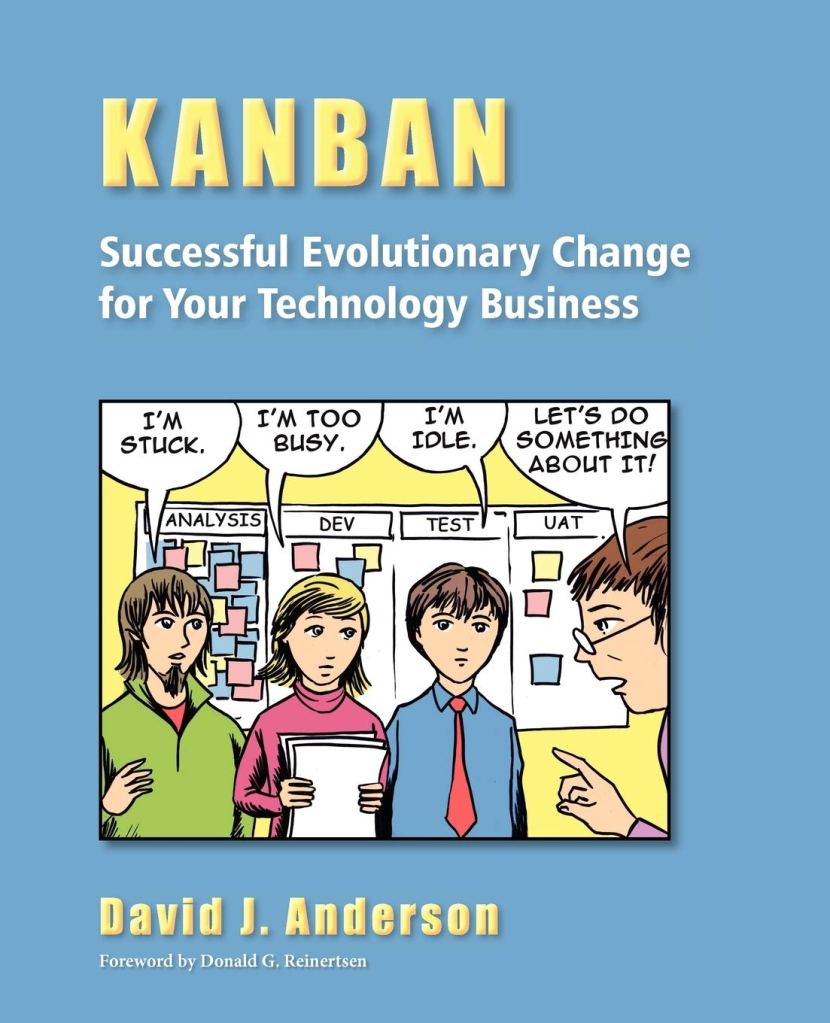
Kanban: Successful Evolutionary Change for Your Technology Business
Author: David J. Anderson
A useful guide to getting you started in using and building improvements with Kanban.
Kanban provides a visual pull-based system for development. This book provides a good introduction to Kanban and how to implement it in your organisation.
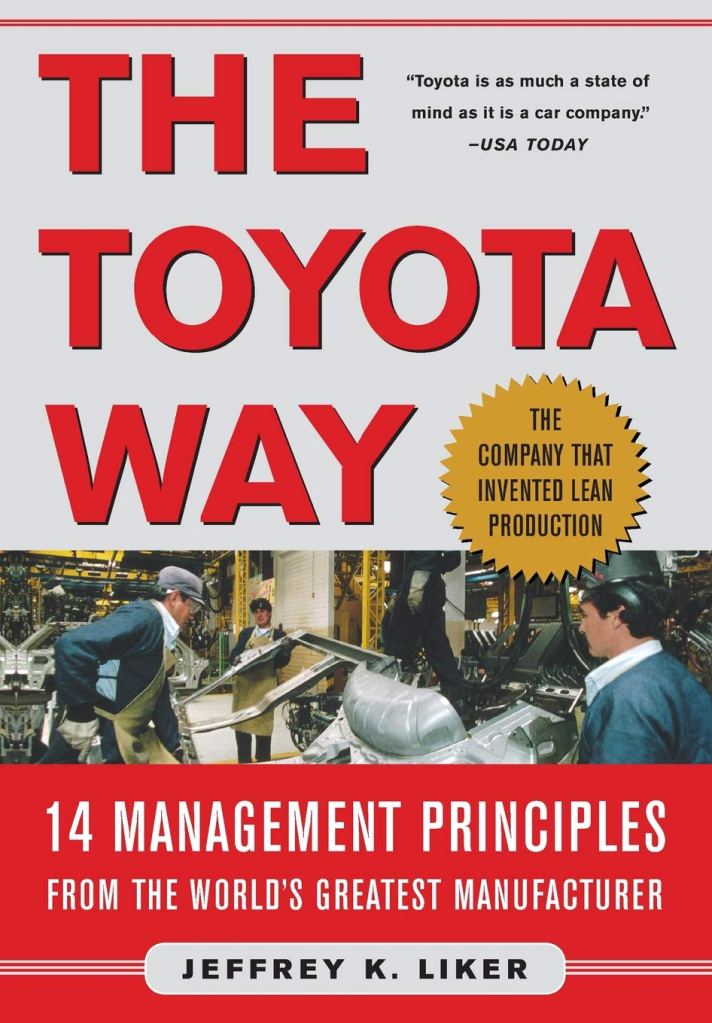
The Toyota Way
Author: Jeffrey K. Liker
A very interesting book on understanding the concept of Kanban, its history, and why it has helped Toyota reach the status it enjoys today. Understanding how management has developed within Toyota, and how its principles inspire everyone within the organisation, and its suppliers to be as effective as possible
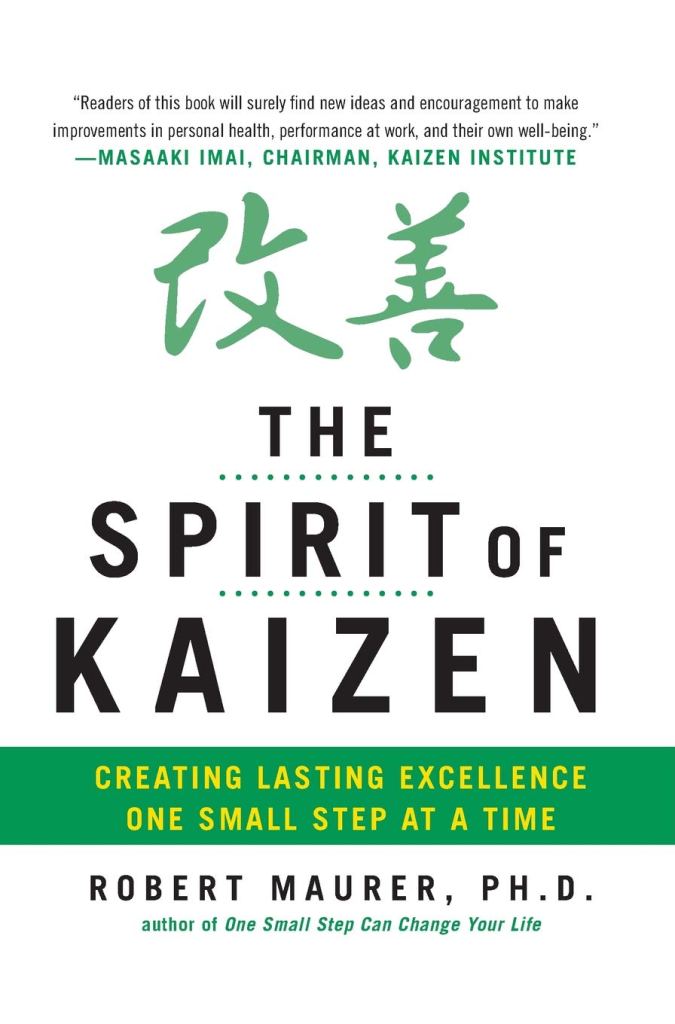
The Spirit of Kaizen: Creating Lasting Excellence One Small Step at a Time
Author: Robert Maurer
Focusing on the small steps, this book explains the benefits of small, incremental development. Use the understanding of kaizen to achieve goals and reach the market faster
Atlassian: What is Kanban (Introduction)
Learn about the basics of Kanban with this short intro from the organisation behind JIRA
Atlassian: WIP limits
A more in-depth explanation of Work In Progress limits and how to get work done.
Certification:
Asking yourself which kanban certifications are best? Here are some established certifications.
Kanban University:
Kanban University which was founded in 2010 by David J Anderson and a group of trusted Kanban enthusiasts, some of whom are still Accredited Kanban Consultants and Trainers today, is the proud “Home” of the Kanban Method! Over the last decade, we have grown into an amazing Kanban community that has evolved to over 80 Accredited Kanban Consultants and 340+ Accredited Kanban Trainers who coach and or/teach organizations, teams, and students the Kanban Method globally. To date, over 90,000 students have been certified in the Kanban Method through Kanban University!
ProKanban:
ProKanban.org provides learning material, training, and assessments to help people and teams find practical starting points for optimizing the way they deliver what their customers want when they want it. Our growing community of Professional Kanban Trainers teaches our approved courses that help teams fully experience how to put kanban into practice through simulation games and the practical application of simple metrics.
Scrum.Org:
Scrum.org, the Home of Scrum, was founded by Scrum co-creator Ken Schwaber as a mission-based organization to help people and teams solve complex problems. We do this by enabling people to apply Professional Scrum through training courses, certifications, and ongoing learning all based on a common competency model.
Professional Scrum with Kanban (PSK) combines the use of Scrum and Kanban practices and how they can be used together.
 Viking Agility