Battle-mapping
A technique based on a military metaphor; battle-mapping visualises the environment you find yourself in. Understand and clarify the different allegiances between stakeholders and other interest parties. Allowing you to plan your next action.
This is a technique I have used with Product Owners and Stakeholders to help them visualise what goals and objectives they need to achieve and how to get there.
The Battle map is ever changing. As you interact and make advancements, the landscape you have set out could easily change. While the battle may last for months, the map will allow you to find strategic points where focusing effort on improving and strengthening a relationship could be decisive in helping achieve the objective.
Where is the battle?
To begin, there must be a frame of reference that will surround your battlemap. What vision are you pushing forward? What objective are you trying to reach? For example: “To transform the business into following Agile Practices and Principles”, “To move our current digital estate onto a more stable platform”.
Having this reference point will focus the battlemap onto a specific engagement. People in different parts of the business may have different opinions of your Project/Product based on their context. You may also have other projects or products, one of your strongest advocates for one of these projects may feel completely different about another.
*Note* Where this technique is a military metaphor, feel free to use the technique and adapt the metaphor if you do not feel comfortable using it.
Map the battlefield.
Now that there is a clear context for what you are fighting for, it is important to visualise the key players. Depending on the scale of what you are trying to achieve will influence the size of your map. I have found that using a hierarchy approach is very beneficial in visualising where the sources of influence and decisions have been affecting the vision (both positively or negatively).
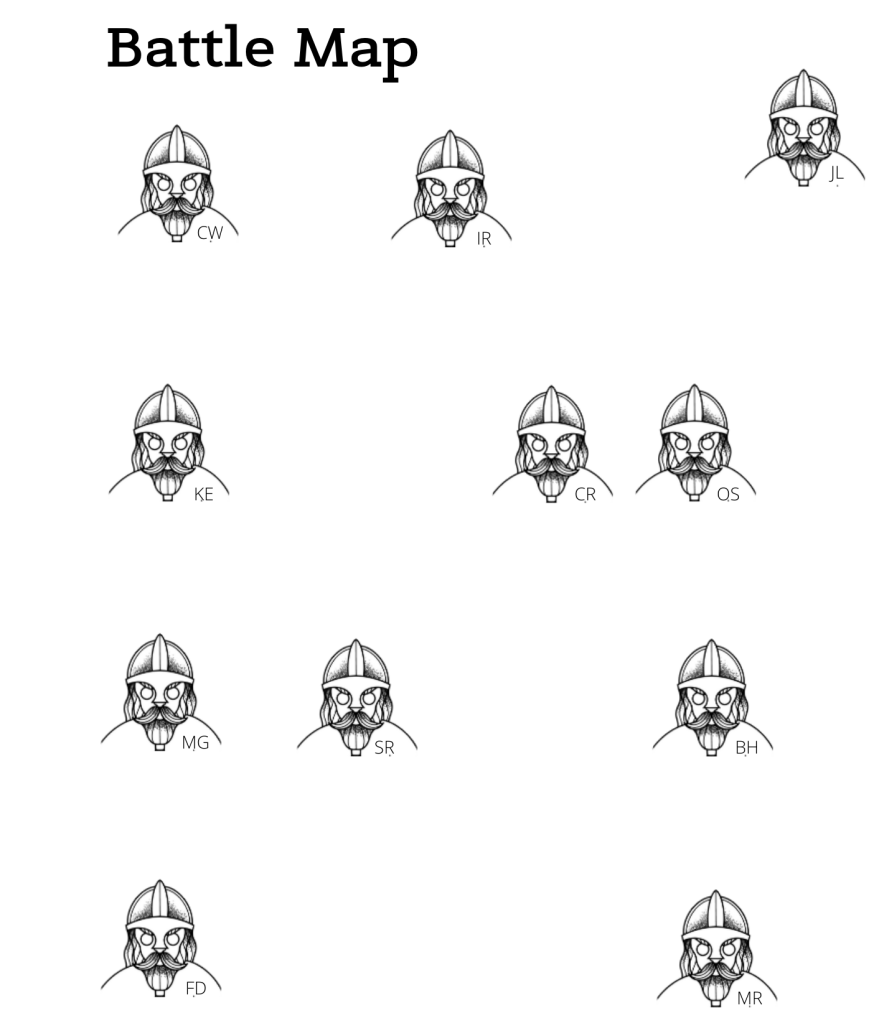
You may want to reflect on single individuals or show the relationships between teams and management layers. Either way is fine as it is based on your context, just remember a visualised hierarchy needs to be seen. This will be important for future steps.
Identify allegiances
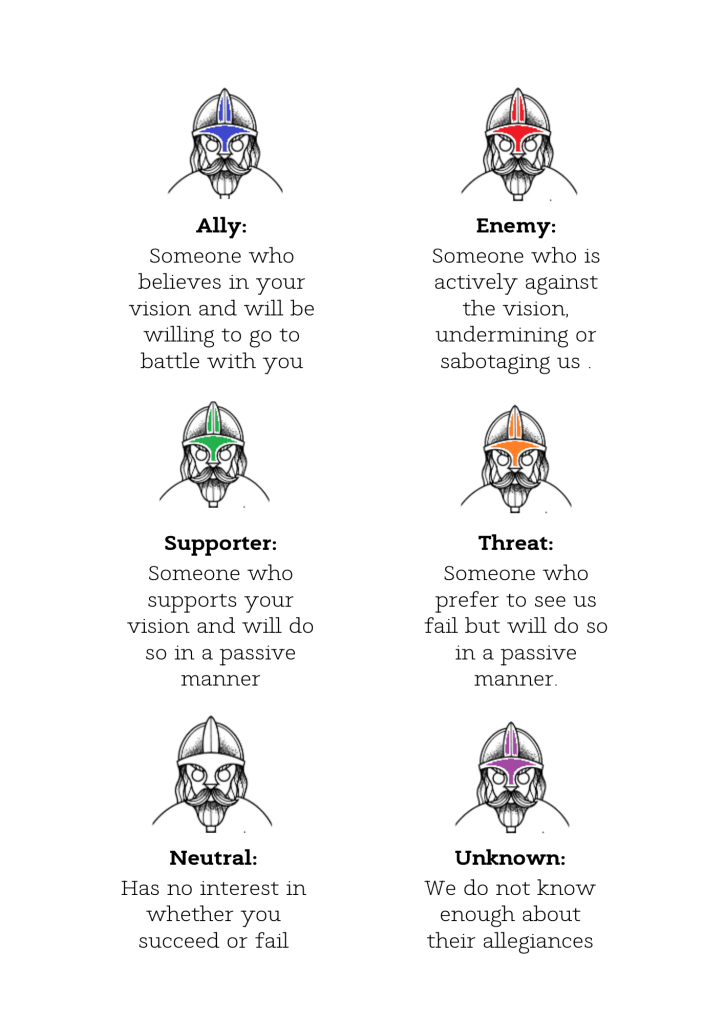
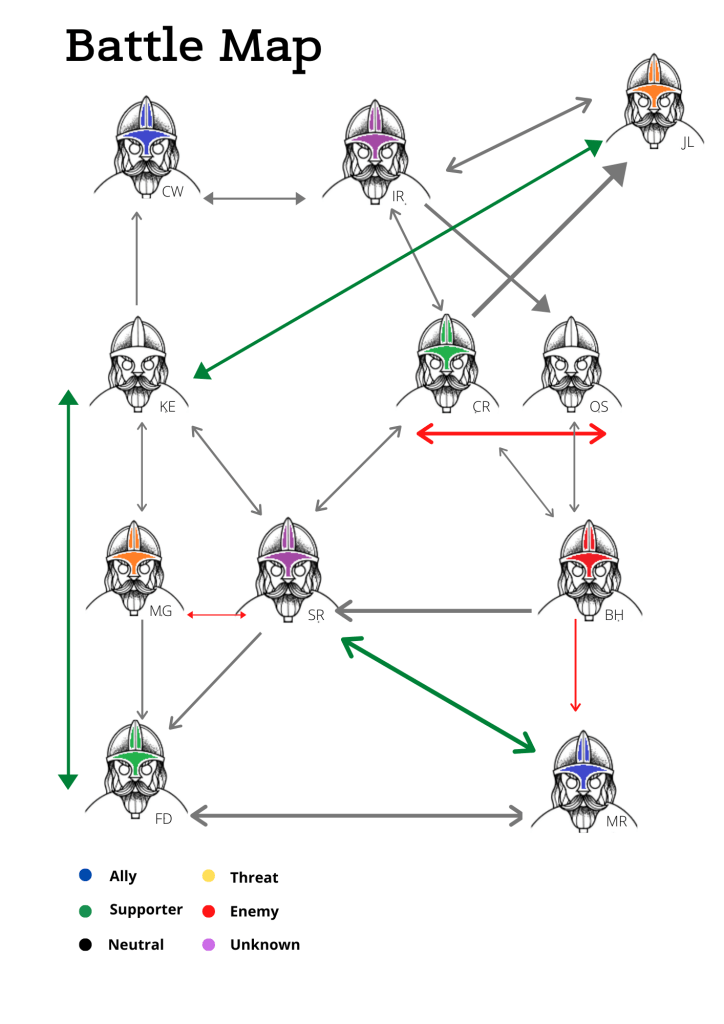
After mapping out your battlefield, there are 6 statuses to defining allegiance to the vision.
Ally (Blue): Someone who believes in your vision and will be willing to go to battle with you.
Supporter (Green): Someone who supports your vision and will do so in a passive manner.
Neutral (Black): Has no interest in whether you succeed or fail.
Enemy (Red): Someone who is actively against the vision, undermining, or sabotaging us.
Threat (Orange): Someone who would prefer to see us fail but will do so in a passive manner.
Unknown (Purple): We do not know enough about their allegiances.
Using the current battle map, change the colour of each person to represent how they relate to your vision. Not only will this make it much more colourful, it will visualise the important relationships between key stakeholders.
A manager of another team may be red based on their interactions towards your vision. This may also visualise why some of their team may be less supportive due to the influence of the manager.
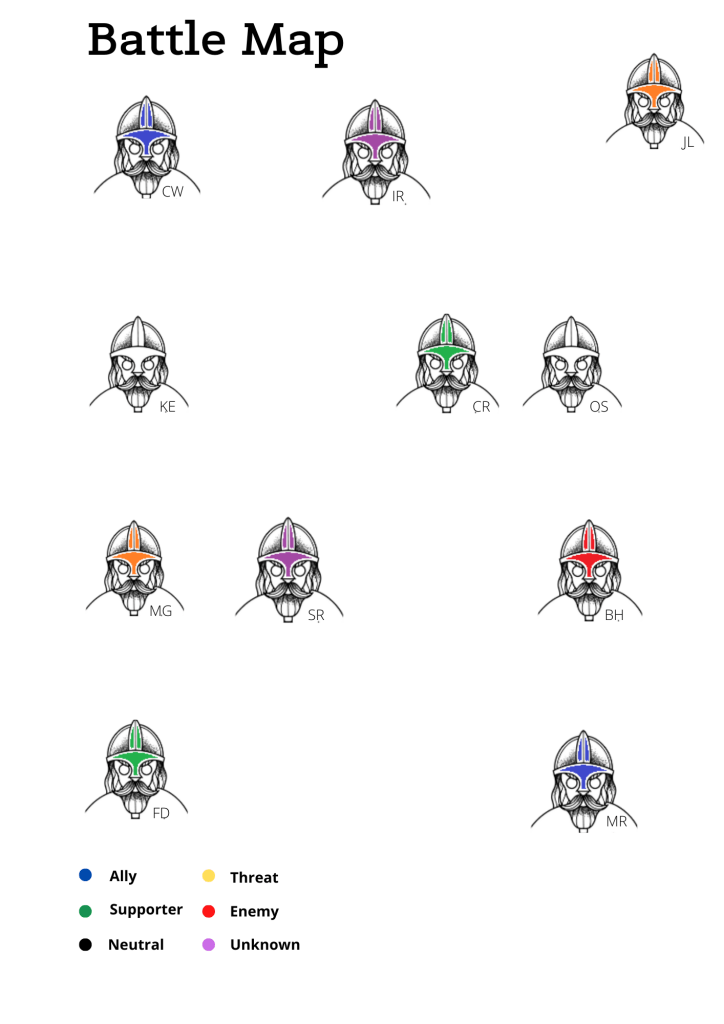
This will give you an insight into what pressure a specific person is under, which, could be the cause of this behaviour. Approach them and work to see how together, you could make their situation better by either providing support or simply sitting down and discussing how to move forward together.
Map the influences
Using arrows, visualise the direction of the influence between people. This is based on what you know about relationships between people and what influence and sway they have on one another. If you do not know the influence line, don’t draw it! Wait until you know enough to do so.
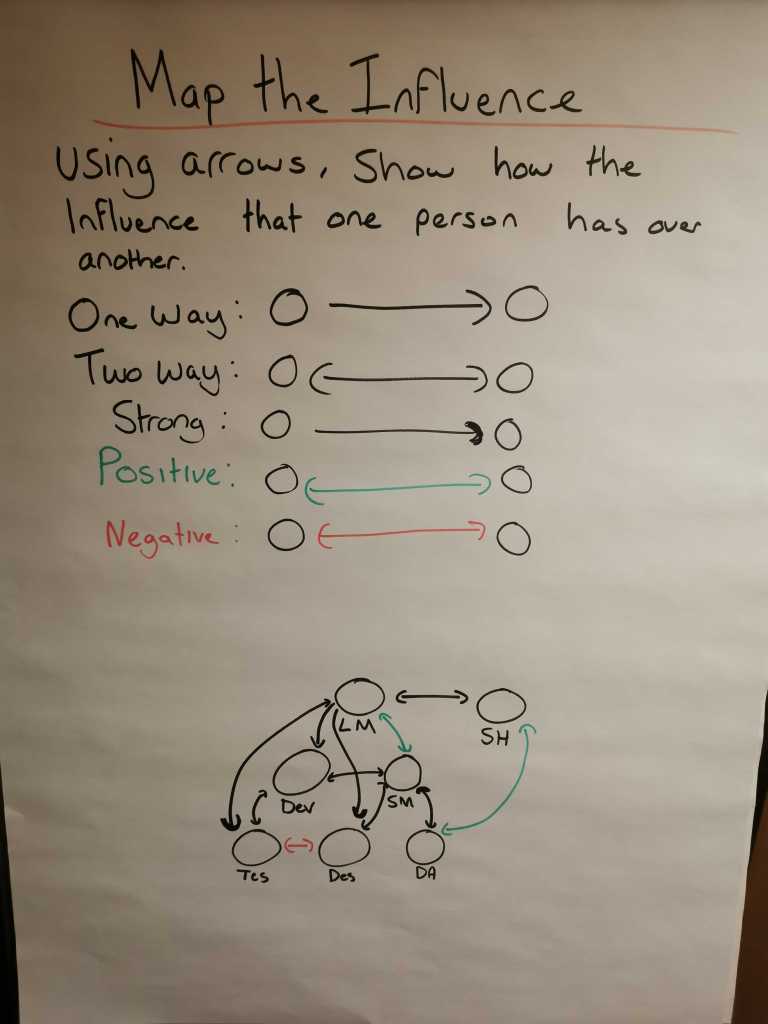
This can be a one-way arrow or shared. The Thicker the arrow, the more influence they have. This can both be formal as a line manager may have a thick arrow over an employee. It can also be informal as the employee may have an arrow back because they have a strong relationship.
Tactics
Now with a fully formed visualisation of your battle map, you will be able to see potential tactics you can use in order to improve the surrounding environment.A tactic is a short term, local move. For example, by using the influence we have with a senior stakeholder, we may be able to indirectly influence a person which could either reduce their impact on us or reduce their threat level.
Strategic plays
For more long-term objectives, we may start using the influence of the network to change the whole battlefield. For example, we may use our senior stakeholder to try and improve our relationship with other senior stakeholders and customers to influence and improve our standing with others on the battle map. You may even use this method to isolate an individual.
By targeting and improving relationships both above and below them, it will make it harder for them to actively move against you. However more importantly, this could allow you to have better conversions about what you are trying to do now that those around them understand the benefits. In addition, always work to understand their needs and use empathy to understand why it is important.
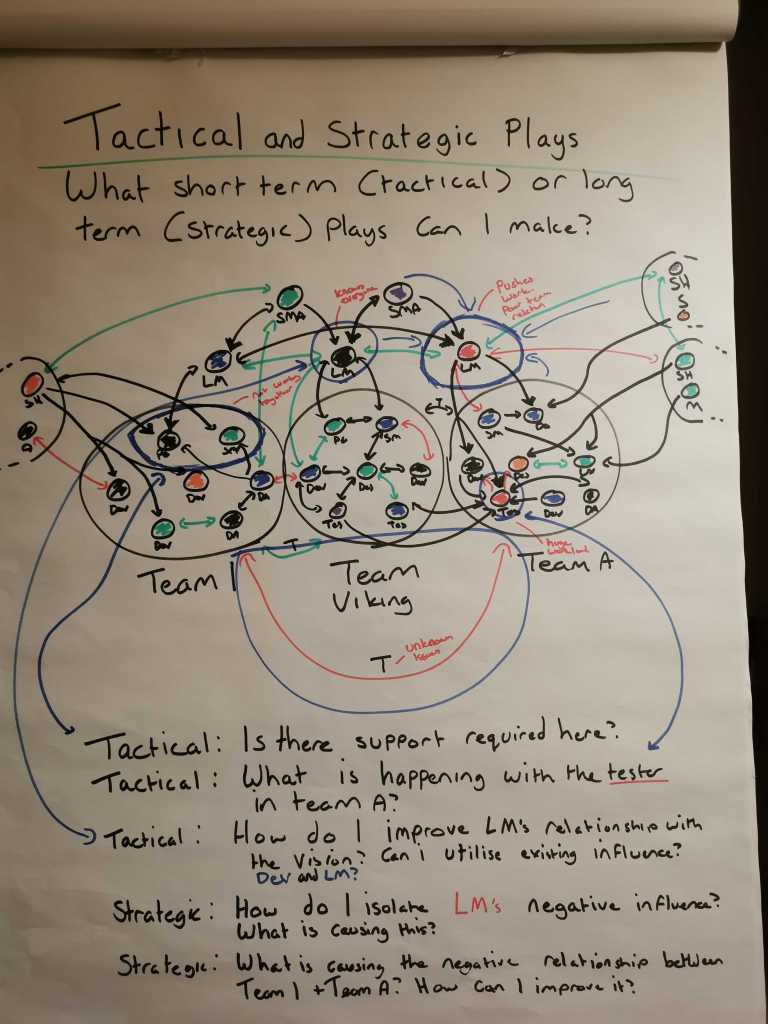
Consider highlighting the areas of the map where you want to focus on. Observe the actions taken and how to move forward with improvements. Use these as step by step goals on how you are going to advance on your vision.
Using this method has helped bring those I work with more options on how to view their current situation, visualise what is affecting their vision, their team as well as what political movements are happening around them. It also encouraged engagement with senior leadership, helping them understand how valuable the objectives covered by the team needed support.
This method will ultimately help you visualise your stakeholders and influence. Identify your quick wins and help you make better decisions.
Just be careful when labeling your colleagues as threats and enemies. Everyone is playing for the same team and although this is according to your context and how they impact your vision… Always engage with them and understand their needs.
A follow on from this will be empathy mapping. Understand the needs of another from their point of view.
 Viking Agility